
Beyond The High Road Podcast

How To Respond When People Ask or Want to Commiserate as an Alienated Parent

Watch this episode

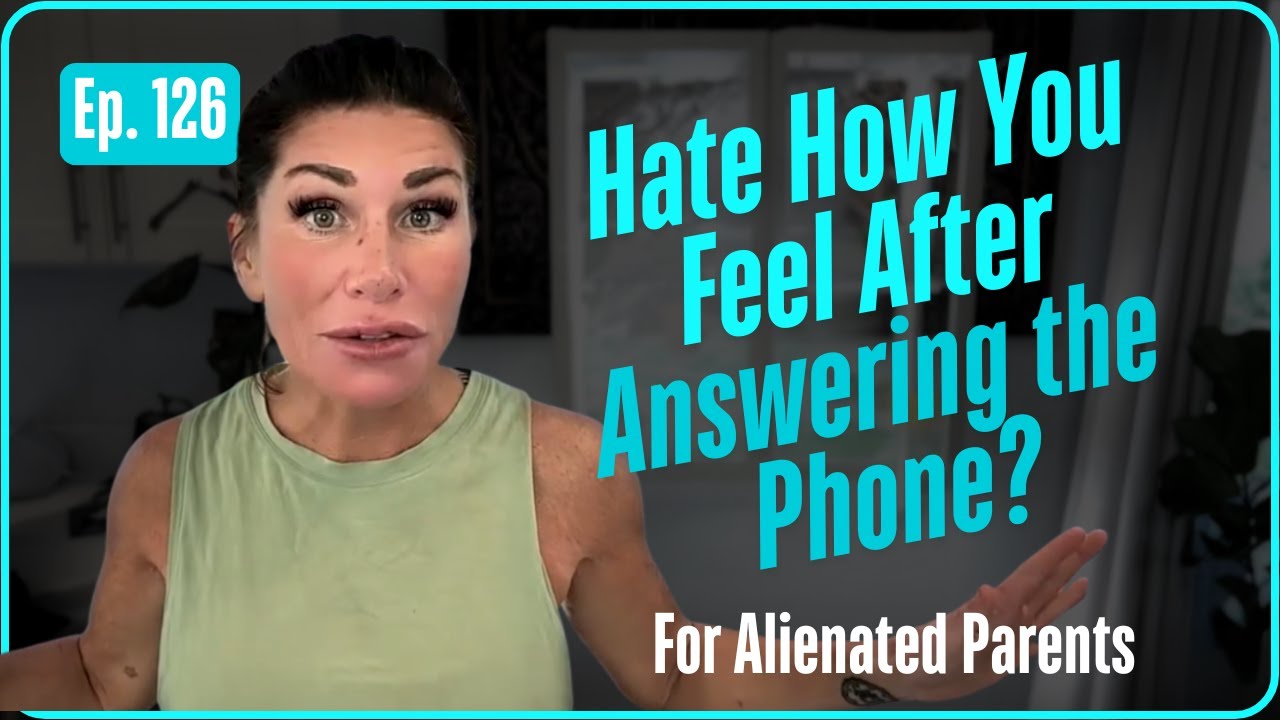
How To Respond When People Ask or Want to Commiserate as an Alienated Parent | Ep. 126

Watch on YouTube ↗

Read the full transcript33 min episode

Auto-generated from the episode audio, so expect the occasional wrong word. Tap any timestamp to jump to that moment on YouTube.

0:00

you are listening to the Beyond The High Road podcast with sheling offered episode number 126 stay tuned welcome to be on the high road a podcast dedicated to Healing your heart and life following the grief of alienation I'm your host Shelby mford a twice certified life coach specializing in post-traumatic growth if you're experiencing the effects of alienation and you're ready to heal then this show is my love letter to you stay tuned hey guys we're going to be talking today about what to say when people ask you about your kids and also when they want to commiserate I'm combining the two because part of this actually used to be a frie that I would give away to you

0:47

guys I've had that video for like years now since I first moved into this house and it needed to be redone and then I was like you know why don't I I should just do this an episode and just put it out there but also too the reason why this came up is because I was watching the new season of White Lotus chuckling to myself the newest episode I think it's episode two in the beginning there's three ladies that are on this trip together I mean there's a bunch of different families on it but one of the little like micro stories within the whole big story if these three ladies in their 40s probably that have been friends forever each time that two of them pair up together and the third one is off

1:31

they will start to sort of gossip about each other and they go to a really negative place but in the most innocent looking way if you've seen the episode you know what I'm getting at but I was laughing while I was watching it because I was like gosh this reminds me of back in the day when people would call me up wanting to talk about the negativity the ickiness of what had happened my ex and his wife where they would see them and all the things it would always start out so similar to how they were doing it on the show it's Sneaky the way that conversations like that start so it got me thinking you know about doing this episode and actually like a year and a

2:13

half ago I recorded uh what to say when they want to commiserate episode and I don't know what happened to it I lost it or whatever and I started to look for it today cuz I never released it you know and then I was like no I'll just redo the whole thing it's fine it's not a big deil so that's what I'm do it so first we're going to talk about what to say when they ask about your kids and then we we'll move on to that the commiserate part of it okay so with the first one with the when they asked about your kids this one I'm going to be a little bit more um General with a little bit more brief and I'm going to give you the the one two three steps and assume that the

2:55

people that are asking have no ill will and it's just people impath more like acquaintances and you can tailor it to your own needs the second part of this episode when I'm talking about when they want to commiserate I'm going to get a little more detailed with it but I just want you to make this your own of course keep what you like and leave the rest but right now just know that the person I have in mind that you would be saying this to would be somebody like a neighbor or a teacher an old teacher of theirs or just somebody an acquaintance somebody that you know an exercise class or what whatever and then we'll go further from there okay so this is that's just basically to the general

3:39

public but when you are just coming out of a situation like when it's maybe you just gotten out of all the cor stuff and it's just messy and you feel worn down broken also trying to heal yourself and get out of the hell that you're experiencing you feel locked like how I felt like in the bottom of a pit with no exit doors if you're there and you've been avoiding going to the grocery store you've been avoiding going to populated places where you know you might run into those kinds of people then this is what I want you to practice this little three-step process is what I want you to practice ahead of time so that you have it down path for when you do go into

4:23

those situations and you'll hear in a little bit I'm going to have you I really ideally want you to practice it to people people but we'll talk about that in a minute so right now you're in the position where you are fully isolating hat on head down trying to get from one place to the other because you don't want to be in the position where anybody has stopped you like deer in headlights and you have to explain to them what's going on because it feels daunting at the very least you may go into a flow on stress response you don't know what to say when you do say something most of the time it's like diarrhea of the mouth which I hate that visual actually I hate what that term is

5:03

used but I don't know how else to say it that's like actually the most descriptive accurate way to say it but you know when you leave the conversation after talking with somebody who just asked you a simple question about like how's it going is everything okay with you and you know when you leave with your hand to your forehead and you're like oh my gosh I just said so much like I over shared even have maybe like the urge to like text them or follow up with email to overe explain even more do you know what I'm talking about either that or you're just shaming yourself for saying what you said you want to go crawl into a hole somewhere right so what you want to do is formulate one to

5:44

two sentences let's say somebody comes up to you Tom or Susie comes up to you in the store right and says hey how's everything going with you maybe they slightly know something's going on how are your kids this is where you you want to come up with one to two sentences per kid or maybe like three sentences total if you've got two kids or more and you say kid a and kid B are doing great or maybe they're not doing great it's fine to say that too be honest direct ack kid a is in gymnastics kid B is in baseball they're doing all right in the next sentence just one sentence is about the situation on the whole this is not how I planned for things to go but we're still

6:30

figuring it out that's the best way I found to say it that feels good to me because it's also can be true no matter how far into the situation of alienation you are we're still figuring it out I'm still figuring it out I'm learning how to navigate this however be true and honest with your sentiment but also you don't need to overshare any information like I said kid a is in gymnastics she's doing well kid B is in baseball just hit two home runs last week or he's not the best at baseball but he really loves it whatever it is you know and then as for this whole situation it's definitely not not how I planed for it to be but I'm learning how to navigate it to the best

7:13

of my ability end it there you just stop talking this is the hardest part of it because most of us want to like we feel the silence and they're just looking at you whether they're looking at you puzzled or they're wanting more information or they want to do what I'm getting ready to talk about commiserate with you there'll still be that dead silence or like that the look in their eye it's uncomfortable at first because you want to overe explain because in your mind what are they thinking right now they're judging me they're thinking I'm a bad parent they're blaming me on the inside all of the things let them let them think let them blame let them judge let them want more whatever it is

7:56

let them do that that's the hardest part just let them do that you've provided all of the information that is necessary for you at that moment and that is enough and then you can move forward and I tell you what every time I've used this method which is so simple what do you sentences about your kid one sentence about the situation overall and end it then there's nothing else you don't walk away feeling like ooh creepy you know what I'm saying which always used to happen before I used this little method always I always felt not enough when there was a shame cycle and it was just awful and I was always like it's almost like when you've had too much to drink like the night before and the next

8:39

day you're like oh my God what did I say it's the same thing with this but before you actually go out there and use this on people you want to practice at home you want to practice when you're driving in your car you want to practice when you're doing your dishes you want to practice when you're on the treadmill when you're lifting weights I don't care you want to know that short paragraph that you've concocted like you're reciting your name you want to know it backwards and forwards until it feels comfortable real and well hopefully it should be true for you but feels like you're putting on an old glove and then once you get there which doesn't really take long you could probably do it over

9:15

the weekend if you were diligent about it and then you want to go use it on people so you want to seek people out I would start with the people that you don't really have a stake in it with you know you could go to a bar somewhere and just recite it on these people that you don't know I mean I wouldn't get sosed into it because that would defeat the whole purpose but you know just somewhere where the stakes are a little bit lower start practicing it getting those like under your belt and then you can start using it with the people that are closer to you that you care more about um or like that are in your neighborhood or the teachers or what have you the practice part of it is so

9:53

important and doing it in front of like a live audience that isn't you and your dogs sitting on the couch watching you it's so important because it helps to normalize the situation by normalize the situation I don't mean make normal the fact that alienation is going on but normalize it inside for you so that you're not entering into a stress response every time because then you'll have these sentences and if they're not practiced you'll be looking your in headlights all over again so just practice sometimes you will have those nosy Parkers that want to PR you that want to like poke for more information you usually I found that those people happen at like get togethers whether's

10:37

alcohol or those people either have no manners or they have no clue like innocently actually have no clue and are just asking because they're not catching on so in those situations when they're probing like but why but how and like wanting more information from you for a selfish reason that's when you can and set a boundary and you don't have to tell them that you're setting a boundary but that's when you can just say you know I'm not sure that this is the most appropriate place to be talking about this but if you really want to know then I can give you a website where you can find out some more information about what I believe is going on and then you give them the website that I link below

11:20

and it's just a friends and family website that I've had for ever it's actually it's beyond the high.com slash or back slash whatever it is friends spell out a and d and family that website's there for you to just direct people to if you don't really feel like explaining it to them and you've already given them your three four sentence SPI so it's so simple it's almost too simple but it works every single time unless they want to commiserate with you now usually these people are a little bit closer to you or sometimes they just don't know how to respond to you or to what you've shared or what they already know so like for me back in the day this is really a lot of

12:12

the reason I did hide out really just hold up in my house until like later hours the night or early hours in the morning for me to go shopping or do whatever I had to do because I didn't want to run into the people that would commiserate or knew the whole situation because I just happened to know a lot of people in Austin when I lived there so it to me it was really public and maybe part of that is just me thinking that it was more public than it was but I know for sure that dozens upon dozens upon dozens of people knew that something was going on everybody in each one of Scarlet's classes knew what was going on because step M show up in the classrooms and make the scenes right so that would

12:49

cause gossip in each one of her grades you know um and that each one of the events which of course then other people anyway so there was that and then I also worked at the like Time Fitness there and that was like so many people and I taught so many different classes and they would come into my work it was just it was public right it was embarrassing and it was of course shameful it felt awful and so I just I as and So eventually calls would start to trickle in and usually it was those closer to me right like I had a one of my really good friends our kids were stick St days apart four and six days apart and we spent all of our the early infancy days with each other going to mom stay out

13:37

movies and all the things right together and so she would call me you know every so often and her way in was usually like I was just talking about with White Lotus she would say you will never guess who I saw this week and what they were doing at the baseball field or oh I saw such and such and they were doing the craziest things you know know it was like bait I remember though at the time I hated getting those calls like I loved them and I hated them because I was so alone and I was craving connection from anybody right but especially familiar connection like from most people that I knew went over to the wrong side or the bad side at the beginning and then

14:21

started to eventually come over to my side if they're wise do you know what I'm saying it felt good to have them call me because in my mind if they're calling me and talking poorly about the other side then that meant to me they saw was going hot it felt validating and that's what sucks man like many times over where I would commiserate and I would play that whole game with them was like I'll take what I can get but I always felt so much worse after getting off the phone with them even while on the phone with them I would usually get into this whole huge stress response because I felt go gotten to a position where they would start with the [ __ ] that they had done like what they'd seen

15:02

oh I saw the Stepmom yelling at Scarlet out somewhere but then the whole conversation would somehow I don't know if that was my doing or their it doesn't matter but would somehow turn out to be about with me explaining myself away about why I did or didn't do what I did and it felt awful and I would usually be all anxiety ridden and in a stress response it's soft it was miserable and then would get off the phone I would either be immediately like hung over Ming me H over from that conversation or I'd be reeling about everything that I over shared even to this friend of mine you know because at that point I knew also that they were sort of teetering back and forth and if they went over

15:47

that side to begin with who's to say that they weren't going to go and do it again you know so there was a lot of drama inside of me and this feeling of betrayal yet at the same time this feeling of inclusion was [ __ ] weird right so and I was adding to it I was really participating in it and I didn't have to and so what I would do is instead of participating in it I just stopped answering the phone and so then I went into full hiding for a long period of time which was also not good but it felt so good to get calls from those people because I felt so alone and I was already so [ __ ] miserable you know because I was just as you guys I'm saying this talking about me in this way

16:31

hoping that you guys can relate but anyway as far as the other people are concerned the people that want to commiserate there are a few different types you have your her name is Melissa or Katie who's the other girl you have your Melissa and kati's who call you to say hey you'll never guess who I saw at the baseball fields or at the gymnastics competition this weekend or your family your family the people that you love so much and family are usually wants to take care of us and so they will really want to commiserate with you especially if that's just what your family is like if they more Lear towards the negative side of things and finding what's wrong with the picture then this could be a

17:14

thing for you and so you might feel obligated to join in on the commiseration with them because it's an expectation on their side so you feel that you should live up to that expectation does that make sense you know we don't think of it like this but it's like in even with the other people with our once friends or acquaintances or whatever they are it's a people pleasing tendency that we all have because we're feeling the support and support has been sparse thus far and so when we start to get it we're not going to be choosy we then trade our own happiness for the discomfort of their negativity does that make sense and the other type of people that do this that

17:58

want to commiserate with you you are usually the people that I'm really not going to address today and those are the negative people that have some other sort of motives I'm not going to really address them today because that's a boundary that you could place for yourself with people like that right people that have a different agenda or motive and those kind of people that's I mean I just suggest if you don't like the way that you feel around people that want things from you or want to set little bombs to set off in your life I mean why why be with them why hang out with them but anyway as far as they're concerned your family friends acquaintances they usually don't have a bad attention but

18:37

they often just don't know how else to approach you they don't know where they in is or how they can open up a conversation with you because they know that [ __ ] has gone down they know that life has blown up for you it's almost like soy when alienation happens it's like how do we relate to all the people we once related to with and they're thinking really the same about you it's like well we used to go to the roller skating or the ice skating rink together on the weekends we used to do Easter egg hunts make barrettes for our girls now what do we do y'all don't have that because you don't have your kid and so they don't know how else to approach you the easiest way to approach somebody

19:19

like the least vulnerable way to approach somebody is to talk about somebody else and usually in a negative form and so that's why they come to you that way your family is different they do it because they think that that's what you want they're uncomfortable with the fact that they know that you're uncomfortable and so they want to help you and they think that by talking negative about whoever's alienating your kids from you that they are showing you their solidarity the thought in line of all of this is that most people are doing it because they want to show support they want to let you know that they care and they don't know how else to relate to you so in my mind how I

20:01

take that is I need to show them how to relate to me and how to support me and it's true think about any other relationship you have it's sort of the same thing like with your romantic partner unless you tell them what you want don't never really know it's just guess work right they could be doing all the wrong things and it could ruin y'all's relationship until you start telling somebody else how to support you or how to make you happy or whatever it is right it's the same here if they come to you with the negative information and it's not working for you and you don't feel supported then it's really on you to let them know if you value the relationship and you want it to continue

20:41

do you know what I'm saying okay so and I always do to think it's really helpful to consider where they are coming from not because it's our responsibility to care for their side they can take care of themselves but for me I like to come from a place of understanding and compassion for the people on the other side oh it's not their fault that you're going through this nor is it your fault but it makes sense that they don't understand how to relate with you mat they knew the old rules and now these are new rules that everybody's learning together so it's nice to just be like all right they don't know what they're doing when I started to go into my whole healing process right and doing all the

21:19

work that I talk about here I stopped focusing so much on the things that happened that I can't change like all the past events and all the ways that the other people are acting right namely the alienating parents both the stepmom and my daughter's father I couldn't change that I can't change that so me focusing on how they're doing giving my energy over to what's going on in their minds as you guys know it's just pointless and it's so taxing I had to learn how to coach myself and re train my brain to focus on things that matter to me that really mattered somewhere where I could make a difference I can't make a difference in my own past in any past I can't go and change those things

22:05

I can learn from those things and do different moving forward and that is where I like to place my attention so commiserating sucks doesn't do anything for you right because most of the time we're going and we're looking at how other people are behaving and gossiping about it talking [ __ ] I can't believe they did that to you why do you think that they do this who do they think they are blah blah blah blah blah blah my I had a neighbor too back at the house in the hill she would drink a lot gr for information she didn't know me before I moved into that house but she could not understand why a mom would be without her kid and so she would always try to poke and prod and

22:49

get answers from me youed should drive me crazy she I just can't understand why that would happen to anybody so I've had to draw a boundary with her you know where I just refused to talk about any of the specifics of my situation with her not in a mean way I said it coming from live because defensively it's only going to cause her to PR more but anyway so the reason why for me I know that I joined in on the commiseration like I said was mostly because it felt good to get the support it felt validating and also felt I felt a sense of inclusion right as opposed to feeling like The Outsider all the time but what I didn't know when I was doing it in the early stages is that this kind of inclusion

23:34

the negative kind of inclusion was actually causing me a lot more pain in the long run back in those in the early days it was much easier for me to go in the negative because well before I started my healing process going to the negative was just all I knew I thought that by going to the negative that I was helping myself to process through that negative but actually I was just only keeping myself stuck sort of like in a glitch in a glitch of negativity because I just kept repeating and talking finding other people I wasn't seeking them out always sometimes like I said they were trickling in coming to me and only um solidifying my negative beliefs about then and about my whole situation but

24:19

that kept me in this place of victimization even more let's see look at how many other people are calling me up and volunteering that I got the wrong of the deal and this shouldn't be happening to me and though that felt good for a very short period of time it also felt really defeating because look everybody else believes that this is a [ __ ] disaster too and so then I would just focus on that and it got me it kept me like I said in a glitch I couldn't do anything from that point and then when I started to like do the work like the actual work to heal myself and started to focus on me and not on that stuff I knew that I didn't want to continue entertaining those phone calls when I

25:05

did start to let those people back in when I was brand new to healing and like thinking differently and refocusing my attention I was still so new at it so it's so easy to slip out of that new way of thinking cuz you're just like borrowed still and still feels shaky and so it's much easier the old way you'd been doing it for so long that it's much easier to slip back into that negativity but what people don't understand is that when they get off the phone with you that conversation is done and over with the negativity doesn't last but for however long you're on the phone sometimes for me it was like two and a half hours with people that I hadn't talked to you for a while right so when

25:47

they hung up the phone they could just put it to bed but with you and me that conversation was just the beginning of it you know and if I just open myself back up to talking to somebody from my quote unquote past then I would hang up the phone and all of a sudden Not only was I in a stress response the entire time that I was on the phone because I felt like I needed to explain all the things to them now afterwards I went through this whole emotional hangover and then I was stuck in that glitch for however long sometimes it would be months but days weeks afterwards and I would have to like then get myself back on track it's almost like you know thinking when somebody called you it's the

26:32

Temptation back in the day for me was like a strong undertoe like if you've ever been to the ocean and maybe I used this this um analogy before but it does remind me of like a strong undertoe or current that pulls you in because you're not yet you don't have the strong enough legs and core to keep you planted firmly on the sand and so when you get sucked in you get tsled around sometimes you're stuck in that current for a long time and then when you finally CW your way out if you're able to you're exhausted right you're like laid up face down in the sand it's so hard after that they don't realize that this affects you for much longer than just a simple innocent

27:21

phone conversation or however long are you're commiserating with them so I just like to never one like when they call or I feel the urge to commiserate with somebody I usually ask myself why and the why is usually like I was just talking about the Sens of inclusion and also because I don't want to disappoint the person on the other end I feel like they have expectations to do this and why shouldn't I appease them which is really a selfworth thing and depending on who the person is like if it's uh H or Melissa I often did it because in my mind I thought if I don't commiserate with them and if I don't like participate in this then they're going to question my loyalty to my own child

28:11

like they're going to think that it doesn't bother me but this is all happening and I need to show them that this has really affected me I need to confront to them with them that my life isn't Shamel as a result of what the alting parent did I was like no I am miserable and has been awful it's like I had to qualify myself to my friend or acquaintance or whoever I was talking with it'll seem like I don't care or that I care less than they would if it were them so knowing what your reasons are usually will help you right then and there to see that like okay this is really about me it's about judgment it's about people pleasing it's about whatever but I don't actually need to

28:53

participate in this you know this is just some emotional part of my brain telling me that this is what I need to do but I don't and every time I do it I feel like [ __ ] so let's find a new way so just about becoming aware and so what I usually tell them it's okay that you want to talk about this I understand but I found for me when I commiserate when I look at them and when I look at my past it keeps me in a crafted place I prefer to focus on what I'm doing and not what they are doing or have done that I can't change it's still really easy for me to get sucked in and talking about that the thing is is that it doesn't end on this conversation is finished it only

29:34

magnifies it for me these last however many months or however many years it's been for you have been a living hell and it just so happens that I recently found a rhythm gaining my M time feeling it where I'm placing my focus it's working I really like the results that I'm creating for myself it doesn't mean that I'm not focused on my child or children right because I am more than ever now that I'm doing this way because I'm not filling my time with all the things that I can't control and just let them know that you understand like I get why you're bringing this to me it's not that I don't want to connect with you because I really would love that but this way

30:14

just isn't the best way for me right now and say I would love it if we could talk about whatever it is that we want to talk about but that's it that's all you have to do and most of the time let me tell you people first off still respect you for having clarity about what it is that you want for yourself and what is good for you moving forward and also being able to articulate that to them after the hell that you've been through like because you've already said that in this whole little Spiel you've been vulnerable with them and said listen this has been absolute murder for me I was in a really bad spot for a long time and it's this kind of top that brings me

30:57

back there it's okay that you feel this way but I would just prefer it if we didn't this wasn't the focus of any of our conversations moving forward people love hearing that also I think it's a relief for them because most of the time the only way they think that they can come to you is by saying something negative because that's all that's been going on in your life is this negativity about them so they are like once they do they're out in the wild right and they see them doing something crazy they're like oh gold let me go run back because now I have something to relate to my friend about or to my family member whoever it is right they love that otherwise they don't know how to relate

31:41

to you it's never happy to them and that doesn't need to be a bad thing it's just that you guys me if you care about this person then you can you guys can learn from this moving forward you're giving you and the relationship and them the gift by being able to voice it to them so let me know if you have any questions about that by contacting me through social media or email okay and I hope you guys are having a lovely week and I will see you next week okay bye thanks so much for listening today if you like what you're hearing and you'd like to hear more please make sure to click subscribe wherever you're listening or watching also for bite-sized clips and tips be sure to

32:26

find me on Tik Tok or Instagram see you next week


What To Say When They Ask About Your Kids & The Urge to Commiserate as an Alienated Parent

In episode 126 of the Beyond the High Road podcast, Shelby Milford discusses strategies for responding to questions about your kids and dealing with people who want to commiserate over difficult family situations. Shelby combines insights from a previously unreleased video with reflections prompted by a scene from the TV show White Lotus. Listeners will learn a three-step process for succinctly responding to inquiries about their children and setting boundaries to avoid oversharing. Additionally, Shelby provides her thoughts on handling commiserative conversations, emphasizing the importance of practicing responses and focusing on one's own well-being. This episode is particularly valuable for those navigating the challenges of parental alienation and seeking to maintain healthy relationships while preserving their mental health.


Friends and Fam Parental Alienation Info: https://www.beyondthehighroad.com/friendsandfamily

00:00 Introduction and Episode Overview

02:08 Handling Questions About Your Kids

08:19 Practicing Your Responses

11:27 Dealing with Commiseration

18:07 Understanding Others' Perspectives

20:50 Focusing on Personal Healing

25:30 Setting Boundaries and Moving Forward

31:42 Conclusion and Final Thoughts


#parentalalienation #parentalalienationrecovery #podcastforalienatedparents


Introduction


In our journey through life, we often encounter situations where others feel compelled to pull us into conversations, particularly when it concerns our difficult experiences as parents. For those of us navigating the stormy waters of alienation, these conversations can become both taxing and redundant. Today, I want to share some thoughts on why you're not obligated to entertain negativity and how setting boundaries can liberate you.


Understanding the Pull of Commiseration


Whether it's friends, family, or even acquaintances at social gatherings, it's natural for people to want to empathize or even indulge in shared grievances. They might know a bit about your story and try to support you by engaging in negativity about those who have hurt you. Often, these interactions can stir up old emotions that you've worked hard to overcome. As an alienated parent, these times can be exceptionally difficult as they often feel like a regression in our healing journey.


The Emotional Tax of Reliving the Past


Recalling old disputes brings back emotions and exhausts energy better spent on healing and moving forward. Conversations steeped in past pain can feel disingenuous, pulling you back into the negativity that you may have intentionally distanced yourself from. Every parent who's felt alienated has a version of this story and has at some point battled the urge to relive it through these encounters. It's crucial to remind ourselves that we do not owe it to anyone to regress into the past narrative that burdens our present.


Giving Yourself Permission to Set Boundaries


It's essential to acknowledge that it's okay to set boundaries. You don't need to surrender to the expectation of reliving grievances just to comfort others. Most of the time, people feel uncomfortable themselves and resort to negativity because they simply don't know another way to converse about such sensitive topics. By setting clear, loving, and compassionate boundaries, you not only protect yourself but often relieve others from the cycle of negativity too.


Recognizing Motives and Letting Go


Understanding the motives behind others’ attempts to engage in commiseration can bring clarity. Many times, they do it out of discomfort or because they do not know how else to approach you. This doesn’t justify their actions, but it can help you approach the situation with less animosity and more understanding. It’s about choosing compassion over commiseration, focusing on what nurtures rather than what drains.


The Power of a Positive Stand


Taking a stand for yourself can have a profound impact. Choosing to divert from negativity can empower you and offer new insights into your situation. It's a movement towards positivity and personal growth, demonstrating that you’re not a victim of your circumstances but a creator of your healing path. By not resorting to old stories of woe, you allow room for new stories of success and wellbeing.


Simple Steps to Decline Negative Conversations


When someone invites you into a negative conversation, you can respond with: 


1. Acknowledge their concern.

2. Gently express your desire to move past that kind of dialogue.


Typically, you might say, "I appreciate your concern, but I'm focusing on positive healing right now." This statement allows you to redefine the narrative and position yourself toward growth and healing, moving away from the cycle of rehashing the past.


Conclusion


Remember, when dealing with others who wish to commiserate, the choice is yours. You can kindly step aside from these conversations, prioritizing your mental and emotional health. Not only are you protecting your healing journey, but you might also inspire others to adopt more positive communication paths. Drawing boundaries is a gift to yourself—one that sets you free from the chains of past grievances. May you embrace them wholeheartedly as you continue to navigate your life with resilience and grace.


Thank you for reading. Stay strong, and take care of yourselves. You've got this!


 Episode Transcript

You are listening to the beyond the high road podcast with Shelby Milford episode number 52. Stay tuned. Okay. You guys today we are going to be talking about when you feel like you need to commiserate. Or like when they want to commiserate with you, when your friends or your family members or whoever, maybe just some acquaintances, neighborhood people, you know, at a get together, when they want to

talk about how awful and ugly and Mean your ex or whoever's alienating your children from from you are and when they want to engage in the negativity of you know, just circling the dream, talking about all the things and all the old. Like rehashing all of the old events, right. Instances where you know, we're, we're,

You know, all of the ugly instances that you don't necessarily care to relive, but when like friends, family members or something are in town, you just feel obligated to, to entertain it with them, this is like why I avoided so many of the conversations back in the day is because of this. Like I didn't have the energy.

To go down and like into all the negativity and relive rehash all of the events that have transpired, had transpired up until then. And the updating and even feeling like I owed them, whoever I was going to be speaking with an explanation of some kind and that I had to.

In order to get the point across or let them know , what an injustice it was, I needed to, to take on or like regress in my healing in order to show them just how hurt. I was or how much the, my ex had hurt me and our situation. Do you know what I'm saying? Like I felt, this obligation to step out of my current.

Trend of progression put that on hold so that I could have this conversation with this, with these people and act or behave or say things in accordance to what I thought that they wanted the things that I thought that they wanted me to say, So in order to do that, that I had to like regress. in my healing process. And so it just felt so not only disingenuine, but it also felt so taxing. And you know, it's negative, you know, how, what, I don't feel like I almost don't even need to explain this, right? Like, I just feel like every one of us has alienated parents We've gone through this some version or form to some degree have dealt with this feeling like you need To commiserate with the other people, and so this is probably going to be a quick episode today.

I think I don't know how much it needs, but I think it's really important and very, could be very helpful for you to like, sort of have the permission, right? To, to, to know that it's okay. To draw a boundary there with them, right? It's okay , to not fall into that, to not regress not give it energy.

Right? Even though you think that that's what they expect from you. I want to let you in on a little secret there. Is that most of the time,

they, whoever it is, most of the time, they feel that they need to Interact in this way, because, you know, it's kind of an uncomfortable you are very well aware that it's a kind of an uncomfortable conversation to have anyway, right? Many people do not understand it, do not know it. This dynamic is, has been hush, hush for so long that, you know, it's just not talked about.

We just push it under the rug or, or, you know, we, we toss it to the side and, oh yeah, well, Jimmy's situation or, you know, Linda's situation is this, right? We just don't talk about our kids around them when they do bring it up to you. When they're like wanting to commiserate with you and bring up all the negativity.

Well, there's two kinds of people, but when they're wanting to like, Oh God, I can't believe them. They're such assholes. I mean, what were they thinking and what are they thinking now? It's the same kind of person that's like, don't worry when they're 18, you know, the, your kids will come back to you and they'll see all of the things that have been happening and blah, blah, blah, blah, blah.

Right. And you get annoyed, but it seems easier to just not fight it and jump on a bandwagon, right? Oh yeah, it is. It's been so horrible. Not to say it's not been horrible, but you've already been there most of the time.

Most, when we are doing that, when we jump on that train, of commiseration. It's just, we've already been down the road of this has been horrible, whatever, whatever, right? You don't want to have to get dragged down that again. If you jump on, you're jumping on because it just seems like the easier route. I don't feel like stopping them.

I know I can't change how they act. So why even bother? I'm not going to risk pissing off more people, right? Because you already feel alone. And so when somebody Comes and wants to support and commiserate you kind of feels good, right? Because you're in, you've been in a situation where you felt so isolated and the last thing that you felt is support.

Right. You felt so unsupported looked at through a microscope micromanaged and picked apart disparaged, criticized. Right. So when somebody offers you the support and it's like, Oh God, how dare them? I can't believe it. Poor you all. You are such an amazing mom or you're such an amazing father. Anybody could see that. How dare them? What assholes they are. You know what I'm talking about, right? It kind of feels good.

A little bit. I was, I was talking about this. a little bit when it comes to going down that same sort of drain with, with watching the social media posts, ? But this kind of feels good too. It's like, yeah, somebody's supporting me. Yeah, they are assholes, but I'm sure you know too, that it also feels like the easy way out, right?

When you jump in on their, your ex, you know, bashing of your ex, you know, it kind of feels like The easy way out, the lazy way out. And I don't mean that in a judgmental way, because I have definitely engaged in this kind of conversation. And at first I engaged in it because I didn't know how else to think, right?

I didn't know how else to, to what else to believe about my situation and why, of course, I feel like they're assholes and I'm the victim because I am a victim and I cannot see anything past that, right? That was. That there was no other choice for me that that was all I could see for many years, right? I didn't first there was I was traumatized and then I became bitter and angry right and so in the bitter and angry stage I've definitely had no idea what that's of course, I would think that who wouldn't Think this, right?

And then as I'm starting to do the work on myself, and people, you know, I'd gone sort of quiet. I, for me, I retracted. Most of us do, you know, retract in some way or another. And then people start coming to you, trickling, you know, into you, the phone starts ringing and people start texting. Well, I haven't seen you in a while, blah, blah, blah.

It's usually, guess where I saw so and so, guess what I saw, blah, blah, blah. They'll come to you with bits and pieces of information like bait and not because they have any, there are any bad motives. They're not, you know, taking your ex's side or anything, but this is how they know to open up the conversation with you.

They don't, they don't know of another way. Right? It could be that this is who they are. They have always engaged in gossipy sort of stuff. Or it could be the way that they know to open the conversation because it's the elephant in the room. You know what I'm saying? And so they don't know how else to approach you.

But they miss you and they want to see you and they want to talk to you for, you know, because you're an amazing person. And they also do truly feel bad for you. Right. This is an awful situation. And, and the people that shy away from you completely are the ones that are usually scared that this possibly could happen to them.

And so they don't even want to address it because they don't want to, they don't want to consider that idea that this could be a reality for anybody. Right. But the people that are coming back to you and they're engaging, wanting to engage in this negative, negative conversation so often, it's just because they don't.

Know how else to engage with you. Okay. And so regardless of what their motive is, I think it's just nice to kind of consider what might be going on with them as opposed to just shutting it out. I think it helps for our own compassion for the situation because even though they're not the real victims, you know, you know, being, you know, having dealt with this for, I don't, depending on how long you've gone out, gone on, it's been going on for you, but.

You know what the awkward conversations that, that, that happen as after alienation happens. Right. So, it puts stress on all of these relationships because this conversation is so weird and awkward. Okay.

So I think it is nice to consider. It's helpful for me to consider, what might be going on in their heads, like their motives. Right. Not because it really matters with how I act, but then, you know, I was like, Oh, right. Of course, of course they're human too. They don't know really how to approach this situation.

My father still does this. Where he will start to engage in that like, Oh, what a dick? I can't believe blah, blah, blah, blah, blah. And I'm not, I don't ever shut it down because there's times where I'm like, yeah, it's true. He totally is. But I don't allow it to I don't jump in on onto that train anymore onto the bandwagon with him anymore.

And he, he doesn't really even, it's not a thing anymore, right? But it used to be, and it used to be very difficult. I used to avoid a lot of conversations. I think that's probably what happened there with, with so many, of my friendships, my you know, the relationships that I did have is that I didn't feel like going through All dredging all that stuff back up and having to explain it and having to regress and go back to that place where I was like, entertaining all and giving the alienating parties, the attention anymore.

I didn't want it to be about them anymore. I really, truly, I was like, I'm so sick of thinking about them. You know, and so it finally got to be that I did, because people kept coming up, I learned how to draw the boundary with them, right? Because when you give in to them talking about that, then you end up dropping the progress that you might have made up until now.

On, you know, pouring into you and considering how you can start to rebuild and grow your life and you get back on that negative feed. If you will, right? And that negative feed does, especially in the beginning has a very strong hold, especially if you haven't built up the momentum in the positive feed area, right?

And so it takes so much energy. I like picture it like high tide. Right. And so, or like a, you know, like seriously, like circling the drain, imagine a huge, huge drain, very strong current. Right. And when you're in that negative pull to get out and get back on the positive again, it takes so much energy. You know, and so what I find is that even though it's super easy to like slip into it right to get, I mean, it pulls you in and you can go and you're stuck right until you finally get the energy to come out, pull out, swim out, and get back onto your onto to your former your previous place right to the into

the positive energy pool, you know what I'm saying? So I think it's just helpful. This is, like I said, a very simple way to, to deal with those, whether who, whoever it is that wants to commiserate with you, with you feel, obligated. To entertain them. I think first ask yourself. Why do I feel obligated to entertain?

Their negativity right now, even though they may not mean or they're not intending for me to Regress, I can't blame them Whatever their reasoning is, that's because of their story. Whatever they're telling themselves about why they need to go into negativity. Like I said, nine times out of ten it's because they don't know what else to say, so they decide to go there because it seems like what they think that you would want to do.

Right. And so many people, especially the, the, the more emotionally grown ones, you know, they will feel a relief when you, when you draw the boundary, right. When you let them know, Hey, look, this isn't. Fun for me, right? They'll feel a lot of relief. Then they'll be like, Oh, great. I don't need to do that. I don't need to go that down that route.

Right. But then there'll be some of the other ones that really do want to, because they are used to thriving on the gossip and the negativity. And that's fine. They can do that. You don't have to be a part of it. Right. So ask yourself, why, why is it that you want to go down the drain? Go, you know, that you feel obligated to, to entertaining, the.

They are negative attitude. ? What about it is appealing to you? Because there always will be, if you're doing it, if you find yourself in the habit of going into the negativity, are getting drawn in, you feel like it's due to an outside influence. Like you feel like I'm fine if I'm by myself, but the second that somebody else wants to do it, then I just feel tempted to jump in.

The band, you know, jump on the bandwagon and do it with them. It's like you'll be fine, fine, fine. And then you get on the phone with the person that you always used to gossip with, or the person, maybe you go to you know, it's, there's always somebody that you're just, it's just where your brain goes, right?

So ask yourself what the benefit is. Okay. What, why do I think that it's worth it for me to. To give into this to get it given to the negativity. Okay. And then once you learn what your benefit is, maybe like, for instance, I can imagine like for me at times, like I was saying earlier, it was easier for me to go, especially in the beginning to go to the negativity, because I had that well rehearsed.

I'd been thinking the negative thoughts for so long. It was just easy for me to go that route. Also, I was doing it because I wanted to people, please. Because I didn't want to disappoint the person who was being negative, who was drawing me in, right? And like I said, a lot of times, depending on how emotionally evolved they are, they will, they will find it a relief when you actually the one that stands up and draws the boundary, which is so interesting, right?

So but yeah, I would do it because of people pleasing. I didn't want to feel the discomfort. of telling them and standing up for my own healing. And so instead I felt the discomfort of being in that negativity. It's like, kind of like this odd gratifying negativity that ends up lasting a whole lot longer than the discomfort You would feel to tell them, Hey, listen, I don't really want to entertain the negativity right now.

I'm just not in the place for that. Which is such a simple answer. And then that discomfort's gone. Just takes a second. And you're also probably then respected by somebody, but we're not doing it for what anybody else thinks. Okay. So I would have done it for people pleasing. . For also Because I felt peer pressured, which will turn right back into people pleasing too, right? I felt pressured to do it because I thought that if I didn't, then I wouldn't be accepted by the other person, that , this was my in.

Finally, I felt so out on an island and unsupported. Now this person is coming and they're offering me their support by, by way of being negative. And I better take what I can get. And then the last way is I kind of hinted at this earlier was when you give into the negativity, because you think that this way it'll get known how poorly. the alienating parent or alienating party, did actually treat you and what a raw deal you got. So, therefore, somehow eliciting, more support for yourself, right?

But in turn, Like sort of publicly victimizing yourself, even though you don't want to identify as that identify as a victim. None of us ever do. Right. But that's sort of what that part of our brain does is look, look, look what they've done. Do you see? Look what they've done. And in this way, then they will be found out.

But meanwhile, now you feel kind of measly, like, incapable. You don't mean to do that, but that just ends up being a byproduct of it. But so then it could, because if you don't give into that negativity, then it'll seem like either you don't care. And therefore, what kind of parent are you? Or that it didn't affect you as much as it would affect them.

You think that they would be affected or somebody else, right? It's like these silly reasons. That we continue on. It's all much of it is for appearances Right what we think that they are going to think about it, but the and the and but the Price that we pay as a result is high, right? It's no fun.

And then you find yourself avoiding conversations, not answering your phone, turning it on silent all day long, you know? And then the next time that you do want to have a conversation with this person, you realize that you've been avoiding their phone calls for however long. And of course you can't call them So then you sort of like isolate yourself as a result of avoiding The negativity that you think is going to be whatever.

Okay. So I beat that into the ground. So what do you do? So you, like I said, you ask yourself what you think that you're getting from it, the benefits that you are getting from it, and are they worth it to you? Okay. Once you spell this out to yourself, like really recognize it, acknowledge it, then you'll notice that you'll start to drop the behavior or you'll become more aware of when you're doing it is like the first thing.

Maybe you're not ready to drop it and that's okay. Like anything is okay. But I do think it's really smart and really helpful to be aware of everything that you're doing because then you're choosing it on purpose and you don't look back and like, And you don't look back and like, God, I, you know, I wasted my life or I didn't do this and I wish I would have when you're aware of everything that you're doing and why you're doing it, then you're making it, then you're choosing it.

Right. And you're choosing exactly what you want. And then there's no, you know, you're living a life purpose, you're purposing your, your intentions. Okay. So what are, what are the benefits that you're receiving from it? Are they worth it? And if they're not worth it and you're ready to draw a boundary, if you remember from the boundaries episode, the boundaries that you set are for you.

So like in this instance, somebody comes, they want to commiserate with you, I was just talking with a client about this at the end of last week. And so they had family members coming in and friends coming in for a, for a hearing, and , he felt my client felt obligated to entertain their attempts to commiserate.

And was a little nervous about it. So here's what you do. You let them know kindly with love and compassion. It means nothing about them. They are fine for wanting to do the commiseration. They're fine for wanting to go to the negative space.

It makes sense. This is something that's not known, you know, like this is, this is new. It's something, you know, you people. People judge what they don't know, and they fear what they don't know. And so this is how a lot of people respond to it. So you just say, you know, I found that for me, when I go to that negative place, and I start to, rehash all of the events, although they did happen, and I am not denying that they did, and I'm not allowing them to get off.

You know, Scott free, right? However you want to say that, but I know that they've happened. In fact, painfully aware. And now I'm been so happy working on my own healing from this. And for me, because I tend to. Go negative. I would prefer to focus on what I'm doing and where I can find my power. it's fine that you talk about them that way.

I'm not offended by any means, but I'm just going to excuse myself from the conversation if and when you feel the need to do it again. You know, and so you let them know, just like in the boundaries episode, if you haven't heard that one, then you can listen to that after this and then just apply it to this situation, right?

There's nothing wrong with the fact that you're doing it. I, I, I, there's, you are, this is completely normal that you would, you would be, you know, that this would be. Attractive to you to want to bash them and I get it. I feel you. I was there to times a million, you know, but it's just doesn't, this is one that I used a lot. I'm just not there yet. I don't want to, to take myself to veer off the track right now because I feel like I'm gained some momentum and I'm really liking the results that I'm creating for myself. Focusing on what's ahead. What's now? What's ahead, right? That doesn't mean that when you say that doesn't mean that I'm not focusing on my Children.

It's just that I'm not focusing on past events that I can't change. And so each time that they bring it up, you decide what you will do as a result. It's your boundary to, to make, right? To draw, but they can continue doing whatever they're going to do. You just may or may not excuse yourself in the conversation or whatever it is that you decide.

Right? So yeah. They're going to want to, a lot of people, it's the easy way out. They're going to want to commiserate. They're going to want to bash them. It, it feels like when they do it, they, they feel like they're doing you a solid. A lot of times they think that that's, that is the way that they know to support you to feel like that they are comforting you.

Right. That's how we, a lot of us have been conditioned, right? This is how we've been brought up, socialized. Is that when somebody's hurting, then we just... You know, go have drinks and bash the person that, that hurt them. Right? But more and more data is coming out showing that this does not help. Right?

In fact, it can be re traumatizing. It can, like I was describing earlier, suck you into that negativity pull and it's much harder , to recover from, so yeah, that's it. That's all I got for you is that if you feel pressured into negativity or into the negative conversations about your situation or whatever it may be.

Right. It's okay to, to draw a boundary for yourself. In fact, I think it's. Entirely healthy and it could, cause them cause your friends, family members, whoever it is that you, you do this with, it could cause them to to also want to follow, to, to,

to follow that same route, right? You could be modeling to them without even realizing it. You could be, you know, a teacher or an influence for them. Who knows, but yeah, standing up for yourself in this way is, it feels so refreshing, right? It feels so, I feel like it feels like a release. Like you are setting your own self free from all of the negativity that happened in each time that you do draw this boundary and don't and you decide not to follow them down into the negativity.

It's like you're one step further away from being a victim. In your situation of alienation, right? It's one more conversation that didn't dominate you, right? And let you and cause you to go back into the shame cycle and into the all of the negativity, right? So hopefully that helped somebody. You guys have a wonderful, wonderful week.

All right, take care guys. All right, that's it. I think I did it.

Keep listening

Check Out the Beyond The High Road Podcast!

← All episodes